

This month we’ll get to know more about lemongrass essential oil, and this is part one of a two-part post. In this post, we’ll talk about the general uses of lemongrass essential oil while we’ll go more in-depth about how to use it for overall health in part two. We will update this section of the article with a new link to the next part of the article once it is published.
** UPDATE: Part 2 of this post is out now which talks about using lemongrass essential oil for overall health. Click on this link to read.
Lemongrass (Cymbopogon flexuosus), is a perennial grass that is native to India, Sri Lanka, Burma, and Thailand, but is widely cultivated around the world. It is placed under the genus Cymbopogon (lemongrasses). The lemongrass plant and lemongrass essential oil are known to emit a scent that is a mix of crisp, citrusy fresh and invigorating, which is the sole reason it is highly sought after in the perfume industry, as well as medical and culinary.
Common in Asian Cuisines
Lemongrass is often used as a flavouring in food and beverages. For example, lemongrass leaves are commonly used as “lemon” flavouring in herbal teas. It is mostly found in Thai cooking, but it can also be found in Indonesian, Indian, and Sri Lankan cooking. Many of our traditional Malaysian cooking use lemongrass as its key ingredient for its wonderful aroma. You can even use lemongrass essential oil in your cooking if you are out of the lemongrass herb itself.
Perfumery
Highly popular and in demand, lemongrass is a well-desired plant that is often used in the perfume industry as it exudes a bright and refreshing scent; It gives a fresh, sharp lemon-like scent that adds a distinct tone to any fragrances. A well-known perfume that uses lemongrass essential oil for men is Le Vetiver by Carven and Maria Sharapova for women.
Health Benefits
The Lemongrass plant yields several medical properties which aid against drug-resistant bacteria such as skin infections, pneumonia, blood infections and serious intestinal infections. Via tea infusion from its stalk or leaves or via inhalation from the lemongrass essential oil, it is known to have anti-depressing and stress-relieving properties.
Aromatherapy
Lemongrass essential oil is also widely used in aromatherapy due to its therapeutic effects, as it has the natural ability to alleviate stress, anxiety, and depression. This is thanks to some of its compounds such as citronellol, myrcene, dipentene, geraniol, and methyl heptenone that exists in the essential oil.
High blood pressure – a common symptom of stress or anxiety has affected many young adults. Well, one of the solutions lies in the aid of lemongrass essential oil. It has been a well-known stress reliever, as it helps decrease diastolic blood pressure without affecting the systolic blood pressure and pulse rate.
Relief from Inflammation and Swelling
To add more value to its name, it also possesses anti-inflammatory properties.
Chronic/internal inflammation has caused many health problems for many people around the world. However, for every problem, there is a solution, and that solution lies in lemongrass essential oil. The secret recipe for its anti-inflammatory properties lies in two of its components, citral and geranial. A study conducted on mice displayed much healing with the use of lemongrass essential oil and lemongrass tea. The study also shows that the essential oil yielded highly effective results when applied topically on mice with ear edema.
Mosquito Repellent
Mosquitoes are common, flying insects that live in most parts of the world. While not all species of mosquitoes suck blood, but many of those that do can transmit diseases. A study shows that using lemongrass essential oil for topical application as mosquito repellent efficiency is comparable to that of a commercial mosquito repellent. If you want to make your own handmade mosquito repellent balm, here’s a recipe for you to do so
Featured Essential Oils
-

Bergamot Essential Oil
Price range: RM13.00 through RM65.00 Select options This product has multiple variants. The options may be chosen on the product page -

Rose Geranium Essential Oil
Price range: RM15.00 through RM78.00 Select options This product has multiple variants. The options may be chosen on the product page -

Lavender Essential Oil
Price range: RM18.00 through RM100.00 Select options This product has multiple variants. The options may be chosen on the product page -

Tea Tree Essential Oil
Price range: RM15.00 through RM70.00 Select options This product has multiple variants. The options may be chosen on the product page -

Rosemary Essential Oil
Price range: RM16.00 through RM73.50 Select options This product has multiple variants. The options may be chosen on the product page -

Peppermint Essential Oil
Price range: RM12.00 through RM60.00 Select options This product has multiple variants. The options may be chosen on the product page -
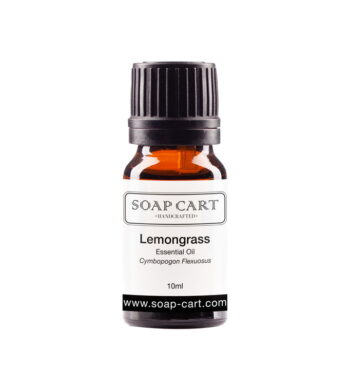
Lemongrass Essential Oil
Price range: RM12.00 through RM60.00 Select options This product has multiple variants. The options may be chosen on the product page -
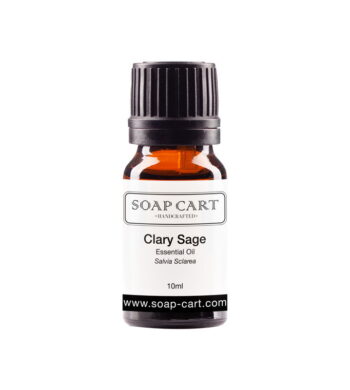
Clary Sage Essential Oil
Price range: RM19.20 through RM122.00 Select options This product has multiple variants. The options may be chosen on the product page -
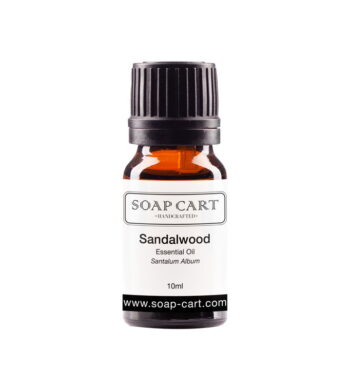
Sandalwood Essential Oil
Price range: RM68.80 through RM290.00 Select options This product has multiple variants. The options may be chosen on the product page -
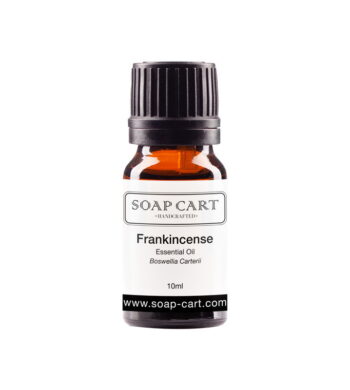
Frankincense Essential Oil (Boswellia Carterii)
Price range: RM25.00 through RM160.00 Select options This product has multiple variants. The options may be chosen on the product page
